

Why Underlayment Matters More Than Most Homeowners Think
When homeowners plan a flooring upgrade, most of the attention goes to what’s visible—color, texture, and overall style. But what sits underneath your laminate flooring plays just as big a role in how it performs every day.
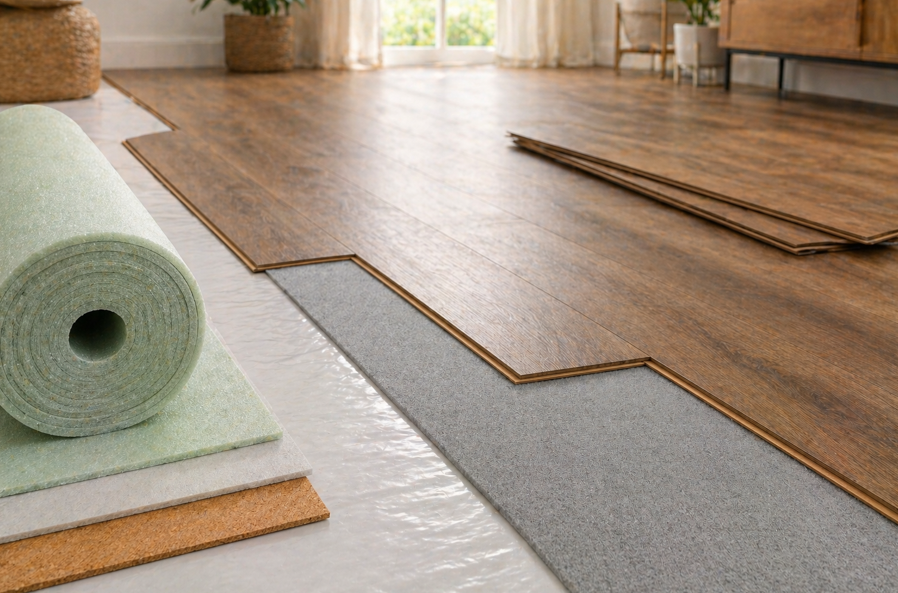
Underlayment is the hidden layer between your laminate flooring and the subfloor. You don’t see it once installation is complete, but you definitely feel the difference it makes.
In homes across Dayton and Englewood, flooring has to handle a range of conditions. Basements can carry moisture, main floors deal with daily foot traffic, and seasonal changes bring shifts in temperature and humidity. All of this affects how your flooring holds up over time.
At Floorco Flooring, many homeowners are surprised to learn how much underlayment contributes to comfort, durability, and overall performance. It’s not just an add-on—it’s a key part of a well-installed floor.
The right underlayment helps your laminate flooring feel more solid, reduces noise, and adds a layer of protection where it matters most. It’s one of those details that makes a noticeable difference once everything is in place.
What Does Laminate Underlayment Actually Do?
Underlayment might seem simple, but it serves several important functions that improve how your flooring performs.
Moisture Barrier
One of the biggest concerns in Ohio homes—especially on concrete subfloors—is moisture. Underlayment helps block moisture from rising up into your flooring, which can prevent long-term damage.
Sound Reduction
Without underlayment, laminate flooring can sound hollow or loud underfoot. This layer helps absorb sound, making rooms feel quieter and more comfortable.
Cushioning
Underlayment adds a slight cushion beneath the flooring. This makes walking more comfortable and gives the floor a more solid feel.
Subfloor Smoothing
Even small imperfections in the subfloor can affect how laminate sits. Underlayment helps even out minor variations, improving the final result.
Key benefits homeowners notice right away:
A quieter, more comfortable space
Better protection against moisture
A smoother, more stable floor
These improvements may seem subtle, but they add up to a better overall experience.
Types of Laminate Underlayment Explained
Not all underlayment is the same. Choosing the right type depends on your home and where the flooring will be installed.
Foam Underlayment
Foam is one of the most common options. It’s lightweight, easy to install, and works well for many standard applications.
Combination Underlayment (Foam + Vapor Barrier)
This type includes built-in moisture protection, making it ideal for basements or areas with concrete subfloors.
Cork Underlayment
Cork is a natural material that offers excellent sound absorption. It’s often chosen for spaces where noise reduction is a priority.
Rubber Underlayment
Rubber options are more durable and provide strong performance in high-traffic areas. They’re often used when extra support is needed.
Quick comparison of underlayment types:
Foam → Simple and effective for general use
Combo → Best for moisture-prone areas
Cork → Ideal for sound control
Rubber → Strong and durable for heavy use
Each type serves a purpose, so the right choice depends on your specific needs.
Choosing the Right Underlayment for Ohio Homes
Dayton-area homes face unique conditions that make underlayment selection especially important.
Seasonal changes bring:
Cold, dry winters
Warm, humid summers
These shifts can affect how flooring expands and contracts. Underlayment helps manage these changes by adding stability and protection.
When choosing underlayment, consider:
Whether your subfloor is concrete or wood
The level of moisture in the space
How much foot traffic the area gets
For basements, moisture protection becomes the top priority. For main floors, comfort and sound reduction often matter more.
Taking these factors into account helps ensure your flooring performs well in every season.
Underlayment for Basements vs Main Floors
Different areas of your home require different priorities when it comes to underlayment.
Basement Installations
Basements typically need stronger moisture protection. A vapor barrier is essential to prevent moisture from affecting the flooring.
Main Floor Installations
On main floors, the focus shifts to comfort and noise reduction. Underlayment helps create a quieter, more comfortable living space.
What to prioritize based on location in your home:
Basements → Moisture resistance and durability
Main floors → Comfort and sound control
Understanding these differences helps you make the right decision for each space.
Common Underlayment Mistakes to Avoid
Even high-quality materials won’t perform well if key steps are missed.
Skipping underlayment entirely
What goes wrong: Flooring may feel hard and sound louder
What to do instead: Always include the proper underlayment
Using the wrong type
What goes wrong: Reduced performance or moisture issues
What to do instead: Match underlayment to the room’s conditions
Improper installation
What goes wrong: Gaps or uneven surfaces
What to do instead: Follow correct installation methods
Ignoring moisture concerns
What goes wrong: Long-term damage to flooring
What to do instead: Address moisture before installation
Avoiding these mistakes helps protect your investment and ensures better results.
Installation Tips for Better Flooring Performance
Proper installation makes a noticeable difference in how your flooring looks and feels.
Simple installation tips homeowners should know:
Lay underlayment evenly across the subfloor
Seal seams where needed to prevent moisture intrusion
Ensure the surface is clean and dry before installation
Match the underlayment to the type of laminate being used
These steps help create a stable foundation that supports long-term performance.
How Underlayment Improves the Feel of Your Home
Underlayment doesn’t just protect your flooring—it improves how your entire space feels.
You’ll notice the difference in:
Quieter rooms with less echo
Softer, more comfortable steps
A more solid, stable surface
This is especially noticeable in:
Upstairs bedrooms
Living rooms
Finished basements
For homeowners exploring laminate flooring options, understanding how underlayment contributes to comfort can help guide better decisions.
Making the Right Choice for Long-Term Comfort and Durability
Choosing the right underlayment is about more than installation—it’s about how your home feels day to day.
With the right materials in place, your flooring will:
Perform better over time
Feel more comfortable underfoot
Stay quieter and more stable
Floorco Flooring helps homeowners across Dayton and Englewood make informed choices that lead to lasting results. With expert guidance and a wide selection of products, it’s easier to find the right solution for your space.
If you’re planning a flooring project and want help choosing the best options for your home, you can always reach out to us for personalized support.


