

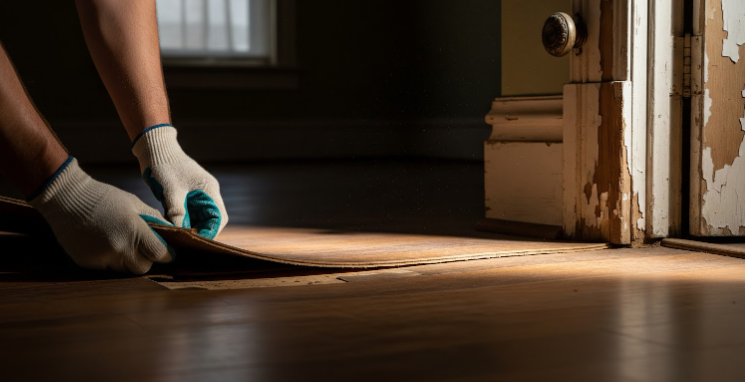
Why Older Dayton Homes Need Special Attention Before Installation
Older homes around Dayton have a charm you simply can’t replicate — solid craftsmanship, unique layouts, and plenty of character. But when it comes to installing new flooring, that same character can introduce hidden challenges. Floors may have settled over decades, subfloors might not be perfectly level, and previous renovations often leave behind surprises that only show up once work begins.
Laminate flooring is a beautiful, durable, and practical choice for many homeowners because it combines style with everyday performance. However, the quality of the finished result depends just as much on preparation and installation as it does on the product itself. Many flooring issues people experience later — lifting edges, squeaks, or visible gaps — can usually be traced back to avoidable installation mistakes.
That’s why understanding the most common problems before installation starts is so important. A little planning upfront helps homeowners protect their investment and enjoy flooring that looks polished and performs well for years. At Floorco Flooring, helping homeowners avoid these pitfalls is part of creating a smooth, guided experience that feels easy from start to finish.
In this guide, we’ll walk through the most common laminate flooring installation mistakes seen in older Dayton homes and explain how to avoid them. Whether you’re planning a renovation soon or simply researching your options, knowing what to look for can make all the difference between a floor that looks good and one that truly lasts.
Mistake #1: Installing Over Uneven Subfloors
Why uneven floors are common in older Dayton homes
Many older homes weren’t built with perfectly level subfloors by modern standards. Over time, natural settling, humidity changes, and structural movement can create slight dips or raised areas. You might not notice these differences when walking across carpet or older flooring, but laminate planks are far less forgiving.
Even small inconsistencies beneath the surface can affect how planks lock together and how the finished floor feels underfoot.
Problems caused by skipping floor leveling
When laminate is installed over an uneven base, several issues can appear quickly:
Clicking or hollow sounds when walking
Movement between planks
Gaps forming along seams
Locking systems wearing down early
Visible flexing in high-traffic areas
These problems don’t just affect appearance — they reduce the overall lifespan of the floor and can lead to costly repairs.
Practical solution
Before installation, the subfloor should always be checked for level variations. Minor imperfections can often be corrected with leveling compounds or sanding high spots. Larger issues may require more targeted repairs.
Taking time to create a stable base ensures long-lasting stability and helps laminate flooring perform exactly as intended. In older homes especially, this step sets the tone for everything that follows.
Mistake #2: Ignoring Moisture and Humidity Issues
Why moisture matters in Ohio homes
Ohio’s climate brings noticeable seasonal shifts. Winters tend to be dry, while warmer months can introduce higher humidity. Older Dayton homes may also include basements or crawlspaces where moisture naturally builds up. These conditions can influence how flooring behaves over time.
Laminate flooring is designed to handle everyday living, but unmanaged moisture beneath or around the installation can lead to avoidable problems.
Common signs moisture may be present
Homeowners often overlook subtle warning signs such as:
A slightly musty smell
Condensation near windows or exterior walls
Previous flooring showing warping or swelling
Dampness in lower-level rooms
Recognizing these clues early allows you to take preventative action.
How moisture affects laminate
Excess moisture can cause planks to expand. Without proper protection, this may lead to buckling, lifting edges, or visible separation between boards. These issues can appear gradually and are frustrating because they often require partial replacement.
Prevention tips
Conduct moisture testing before installation
Use a suitable vapor barrier when needed
Choose appropriate underlayment for protection
Allow flooring to acclimate to indoor conditions before installation
Focusing on moisture protection helps ensure your flooring stays beautiful and stable through Ohio’s seasonal changes.
Mistake #3: Choosing the Wrong Underlayment
What underlayment actually does
Underlayment sits between the subfloor and the laminate planks. It may not be visible once the floor is finished, but it plays a major role in comfort, sound control, and overall performance. Think of it as the support system that helps flooring feel solid and quiet.
Common homeowner misunderstandings
Many people assume thicker underlayment automatically means better results. Others try to reuse older padding to save time. Unfortunately, both choices can lead to instability or noise problems.
Matching underlayment to older homes
Older Dayton homes often benefit from underlayment that helps absorb minor imperfections while reducing sound transfer between rooms. The right choice creates a smoother walking experience and helps maintain consistent plank alignment.
When selecting laminate flooring, pairing it with the correct underlayment makes a noticeable difference in how the finished floor looks and feels.
Key benefits include:
Better sound absorption
Improved comfort underfoot
Added support across uneven areas
Enhanced durability over time
Choosing wisely here contributes to quieter living spaces and a more polished final result.
Mistake #4: Skipping Expansion Gaps Around Walls and Doorways
Why expansion gaps exist
Laminate flooring naturally expands and contracts as temperature and humidity levels shift. Expansion gaps around the edges of the room allow the flooring to move slightly without creating pressure.
This step is simple, but it’s one of the most overlooked parts of installation.
What happens when gaps are missing
Without proper spacing:
Boards can lift or peak in the middle
Edges may press tightly against walls
Locking systems experience unnecessary stress
Floors may develop uneven surfaces
These issues often appear months later, making them difficult to trace back to the original cause.
Best practices
Leave recommended spacing along all walls
Account for cabinetry and fixed structures
Use trim and molding for a clean, finished look
Check doorways carefully where transitions occur
Allowing flooring room to move helps preserve both appearance and performance long term.
Mistake #5: Poor Planning Around Transitions and Room Flow
Why transitions matter in older layouts
Many older homes feature additions or remodels completed at different times. That means varying floor heights, unusual doorway widths, and changes in room direction. Without a clear plan, transitions can look awkward or feel uneven.
Frequent planning errors
Ending planks in high-visibility areas
Using incorrect transition strips
Ignoring height differences between rooms
Changing plank direction without purpose
These mistakes interrupt visual flow and make floors look less cohesive.
Smart planning tips
Decide plank direction before installation begins
Consider natural light when planning layout
Align transitions with doorways when possible
Choose trims that blend with surrounding flooring
Thoughtful planning creates seamless room-to-room flow, helping the entire home feel more connected and visually balanced.
Mistake #6: Rushing the Installation Process
Signs installation is being rushed
Even experienced installers can run into problems when timelines feel tight. Common shortcuts include:
Skipping acclimation time
Forcing planks into place
Ignoring alignment checks
Cutting corners around detailed areas
These shortcuts may save time initially but often lead to noticeable imperfections later.
Why patience improves results
Careful installation produces cleaner seams, better alignment, and a more refined appearance. Laminate flooring relies on precision, especially in older homes where measurements may vary slightly from one area to another.
Professional installation advantages
Experienced installers understand how to work around unique architectural details and unexpected surprises that appear once old flooring is removed. A steady, methodical approach helps ensure the final result looks intentional, polished, and durable.
How to Prepare an Older Dayton Home Before Installation Day
Preparation helps installation feel smooth and predictable. A little planning goes a long way toward protecting your home and making the process more comfortable.
Simple prep checklist
Remove existing flooring carefully
Inspect subfloors for damage or movement
Ensure surfaces are clean and dry
Plan furniture relocation ahead of time
Confirm room measurements and layout direction
Preparing properly helps homeowners feel confident instead of overwhelmed. It also allows installers to focus fully on craftsmanship rather than problem-solving unexpected obstacles.
When everything is ready beforehand, the transformation feels exciting rather than disruptive — and you can start envisioning your finished space sooner.
When It Makes Sense to Work With a Local Flooring Expert
Older homes rarely follow perfect measurements. Floors may slope slightly, walls can be uneven, and hidden issues often appear once work begins. That’s where experienced guidance becomes valuable.
A knowledgeable flooring team understands local housing styles and common structural quirks found throughout Dayton neighborhoods. They can recommend solutions that fit the home rather than forcing a one-size-fits-all approach.
Working with professionals also helps homeowners:
Avoid avoidable mistakes
Save time during installation
Achieve cleaner transitions and finishes
Feel confident about long-term performance
The right guidance transforms flooring installation from a stressful project into a smooth upgrade that improves daily living.
Final Takeaway: Avoiding Mistakes Leads to Better Floors That Last
Laminate flooring can completely refresh an older Dayton home, adding style, durability, and comfort without sacrificing character. The key is avoiding the common installation mistakes that often lead to future problems. From leveling subfloors to managing moisture and planning transitions, every step plays a role in the final result.
When installation is approached thoughtfully, the outcome is a floor that looks beautiful, feels solid, and holds up to everyday life. If you’re ready to start planning or want expert advice tailored to your home, it’s always helpful to get in touch with a knowledgeable team who can guide you through the process with confidence.


