

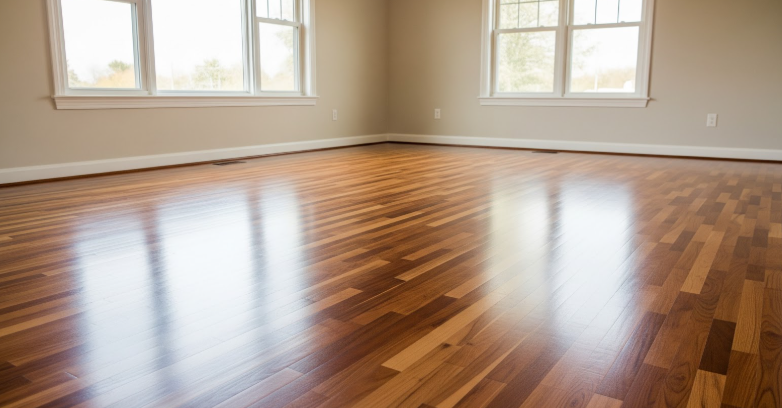
Why Flooring Choices Matter More in Rental Properties
Rental properties live a different life than owner-occupied homes. Floors deal with frequent move-ins, furniture dragging, pets, and day-to-day wear from multiple tenants over the years. For landlords in Miamisburg and Huber Heights, choosing the right flooring isn’t just about looks — it’s about protecting long-term income and reducing maintenance headaches.
Hardwood flooring continues to stand out because it combines durability with timeless appeal. Tenants often view hardwood as a premium feature, and that perception can help properties feel more inviting and well cared for. At the same time, the wrong hardwood choice can lead to avoidable repairs or higher turnover costs, which is why understanding what works best for rental environments matters.
Smart flooring decisions influence more than appearance. They affect how quickly a unit rents, how often you need to replace materials, and how easy it is to maintain the property between leases. Many landlords discover that investing in the right flooring from the beginning saves time and money later.
At Floorco Flooring, helping property owners choose flooring that balances style and performance is part of creating spaces that hold up beautifully under real-world use. This guide breaks down the best hardwood options for rental properties, explains what features matter most, and helps you make decisions that support both your tenants and your bottom line.
What Rental Property Owners Should Look for in Hardwood Flooring
Durability Comes First
Rental homes experience more wear than most people expect. High foot traffic, furniture movement, and everyday living can quickly show on weaker flooring surfaces. That’s why durability is one of the first things landlords should evaluate.
Harder wood species and strong protective finishes help resist dents, scratches, and surface wear. Choosing a floor designed to handle real-life activity helps maintain appearance even after multiple tenant cycles.
Easy Maintenance and Repairs
Between tenants, time matters. Floors that clean easily and don’t require complex maintenance help landlords prepare units faster. Hardwood offers a major advantage here because minor wear can often be refreshed rather than replaced.
A floor that can be refinished or repaired over time supports long-term value, reducing the need for full replacement when cosmetic damage appears.
Style That Appeals to More Renters
Neutral tones and classic finishes tend to attract a wider range of renters. While bold design choices may suit specific tastes, rental properties benefit from flooring that works with many décor styles.
Consider:
Natural wood tones
Mid-range color palettes
Grain patterns that feel clean and modern
Finishes that balance warmth and versatility
The goal is simple — flooring that looks attractive to the majority of potential tenants while staying relevant for years.
Solid vs Engineered Hardwood for Rentals
Solid Hardwood Overview
Solid hardwood has long been known for its longevity. Because it’s made from a single piece of wood, it can often be refinished multiple times over its lifespan. This makes it appealing for long-term investments.
Pros:
Excellent lifespan
Can be refinished several times
Classic, high-end appearance
Considerations:
Sensitive to moisture changes
Requires stable indoor conditions
Installation may be more demanding
Engineered Hardwood Overview
Engineered hardwood features a real wood surface layered over a stable core. This design makes it less reactive to humidity changes, which can be helpful in certain rental environments.
Pros:
Better stability with temperature and humidity shifts
Suitable for a wider variety of spaces
Often quicker to install
Considerations:
Refinishing options vary by product
Quality differs between manufacturers
Which Works Better for Miamisburg and Huber Heights Rentals?
Ohio’s seasonal climate can influence flooring performance. Engineered hardwood often appeals to landlords managing properties with basements or fluctuating humidity, while solid hardwood can be a strong choice for main-level spaces where conditions remain consistent.
The best option usually depends on property layout, tenant turnover expectations, and long-term maintenance plans rather than a one-size-fits-all answer.
Best Hardwood Species for High-Traffic Rental Homes
Oak
Oak remains one of the most popular hardwood choices for rental properties. It’s durable, widely available, and blends easily with both modern and traditional interiors.
Benefits include:
Strong resistance to daily wear
Classic grain pattern renters recognize
Easy color matching for repairs or additions
Hickory
Hickory is known for its strength and distinctive look. It performs well in busy households and adds visual character without feeling overly bold.
Landlords often choose hickory when durability is a top priority, especially for family-focused rentals.
Maple
Maple offers a smoother, more contemporary appearance. Its clean look works well in modern rental units and appeals to tenants who prefer a lighter, minimal style.
Species Selection Tips
When choosing hardwood species for rentals, think beyond appearance. Focus on tenant-ready durability, repair potential, and how well the flooring will age after years of use.
Helpful considerations:
Hardness ratings for long-term performance
Availability for future repairs
Consistency across multiple units
Choosing wisely at this stage reduces maintenance costs later.
Choosing the Right Finish for Rental Performance
Matte vs Satin vs Glossy Finishes
Finish choice plays a major role in how flooring looks over time. While glossy floors can look striking initially, they often highlight scratches and dust more quickly — something landlords typically want to avoid.
Matte and satin finishes tend to be more forgiving because they hide everyday wear better and maintain a clean appearance longer.
Scratch Resistance Matters
Rental properties often include pets, moving furniture, and high daily activity. A durable finish helps protect the surface and maintain visual appeal between tenants.
Look for finishes designed to resist:
Surface scratching
Scuff marks
Minor dents
Everyday abrasion
Color Considerations
Mid-tone and natural shades usually work best for rental properties. They hide dust better than very dark floors and feel more inviting than overly pale finishes. Balanced color choices help create a welcoming atmosphere without limiting future décor options.
Why Hardwood Flooring Can Increase Rental Appeal
First impressions matter when showing a rental property. Hardwood flooring instantly makes spaces feel more polished and well maintained. Many renters associate hardwood with cleanliness, durability, and higher-quality living environments.
Choosing hardwood flooring can help landlords position their property as more desirable without relying on flashy upgrades. The natural warmth of wood often helps rooms feel brighter and more open, which can influence how quickly a unit rents.
Additional benefits include:
Easier cleaning compared to carpet
Better long-term appearance
Reduced need for frequent replacement
Strong resale and rental appeal
Well-selected flooring creates strong first impressions that help properties stand out in competitive rental markets.
Installation Tips That Help Landlords Avoid Future Problems
Proper Acclimation
Wood needs time to adjust to indoor conditions before installation. Skipping this step can lead to expansion or contraction later, which affects floor stability.
Subfloor Preparation
A clean, level subfloor helps prevent squeaks, movement, and uneven wear. Investing time in preparation protects the flooring investment long term.
Professional Installation Advantages
Professional installers help landlords avoid common issues such as:
Misaligned planks
Poor transitions between rooms
Uneven spacing
Visible gaps over time
Experienced installation often means fewer repair calls and a more consistent finish across multiple rental units.
Maintenance Strategies That Protect Your Investment
Easy Cleaning Routines
Simple maintenance keeps hardwood looking great between tenants. Regular sweeping and occasional damp mopping help preserve the finish without requiring complicated care.
Tenant-Friendly Care Guidance
Providing tenants with clear, easy instructions helps protect flooring without creating unnecessary rules. Suggestions may include:
Using furniture pads
Cleaning spills promptly
Avoiding excess water during cleaning
Periodic Inspections
Quick inspections during tenant turnover allow landlords to catch small issues early. Minor touch-ups are far easier and more affordable than major repairs later.
A consistent maintenance approach keeps flooring looking fresh and extends its lifespan significantly.
When Hardwood Flooring Makes the Most Sense for Rental Properties
Hardwood flooring isn’t always necessary for every rental, but it shines in specific situations. It’s especially effective for:
Long-term rentals where durability matters
Single-family homes with higher tenant expectations
Higher-end units competing for quality renters
In these cases, the combination of appearance and longevity often outweighs the initial investment. Landlords who think in terms of lifecycle cost rather than short-term expense usually see better returns over time.
Choosing flooring that stays attractive across multiple leases reduces replacement frequency and helps maintain consistent property value.
Final Takeaway: Choosing Flooring That Works for You and Your Tenants
The best hardwood flooring for rental properties comes down to smart choices that balance durability, style, and practicality. Species selection, finish type, installation quality, and maintenance planning all play a role in how well flooring performs over the years.
When landlords choose flooring designed for real-world living, they create spaces that feel welcoming to tenants while protecting their investment. Hardwood remains one of the strongest options for achieving that balance when selected thoughtfully and installed correctly.
If you’re planning upgrades or want guidance on the right flooring for your rental property, it’s always helpful to get in touch with a team that understands both flooring performance and local housing needs.


